Cover simulation A 3D model of the pixels over an under-display camera, in three generations (Claim's piece). In the first, metal lines still cross the window; in the second, circuits move outside the circle; in 1.5, every other row is emptied and circuits are packed into a strip. Sizes and spacing are not to scale, and no transmittance is shown.
This issue's lead
iPhone 18 Pro Under-Display Camera Pixels
Over its Face ID camera, the iPhone 18 Pro leaves every other row of pixels empty. Under-display cameras went from thinning out pixels (first generation) to pushing circuits to the edge (second), then came back to thinning out (1.5) because transparent wiring added masks. The first drawing of that layout is in Apple's own 2018 specification.
Article title iPhone 18 Pro Under-Display Camera Pixel Patents
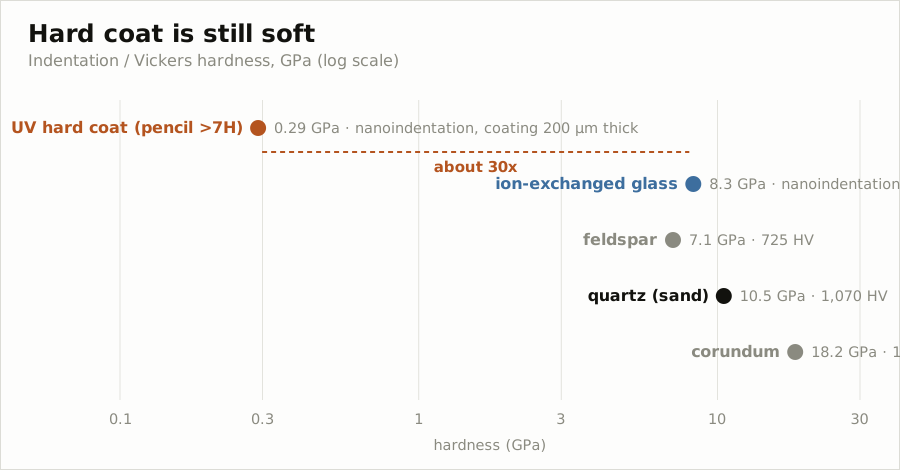
A hard coat does a different job on every substrate. On film it lends hardness to a soft base and fights curl; on automotive PC it is graded by Taber haze instead of pencil hardness; on UTG it takes pen drops as a layer softer than the glass. Even a pencil hardness of 9H cannot be compared unless the load and the substrate are written down with it.
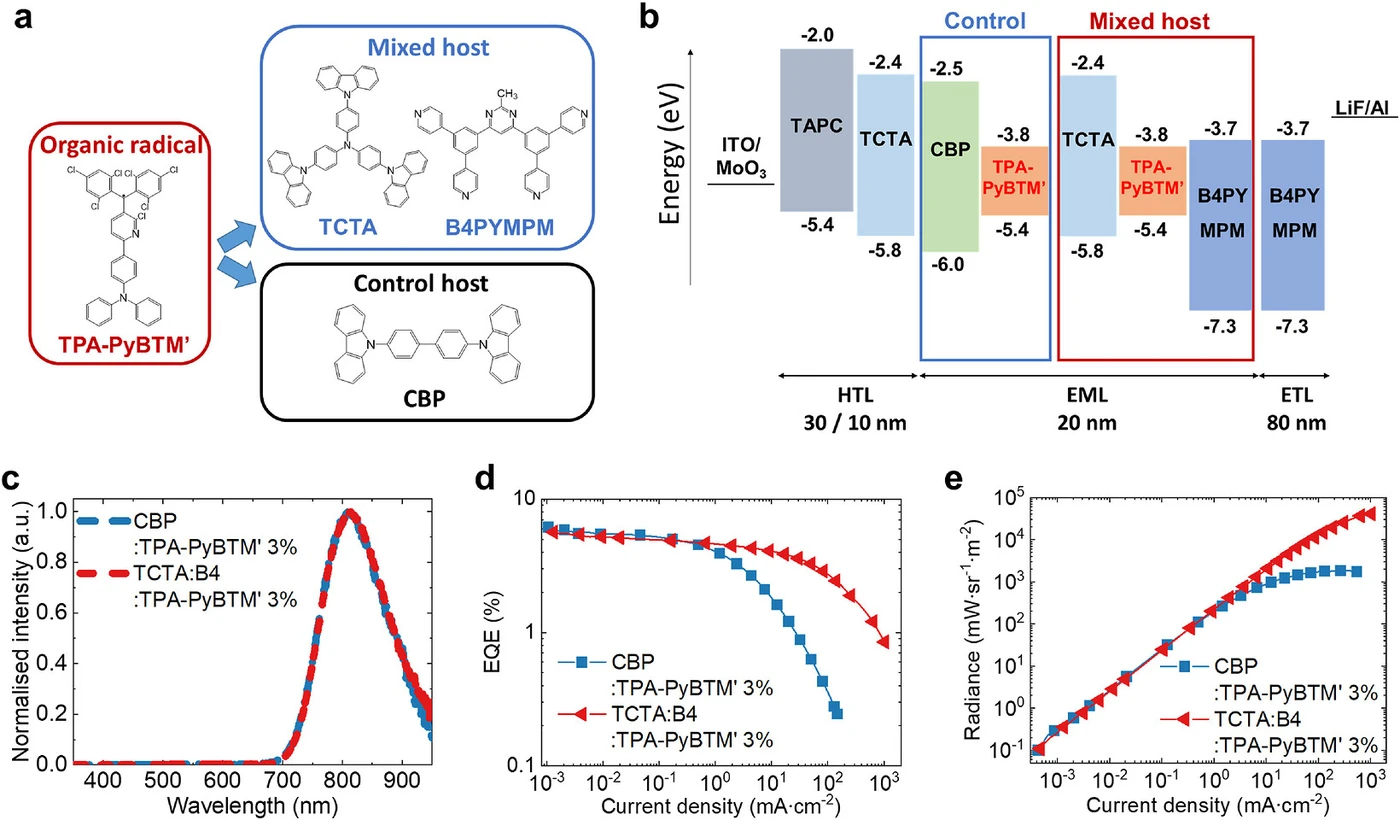
Researchers at Yonsei University and the University of Cambridge built a near-infrared OLED from a radical emitter. Switching hosts dropped the film photoluminescence efficiency from 21% to 8%, yet device efficiency stayed almost the same at 6.2% and 5.7%. Charge balance made up for the photoluminescence loss. Securing both together delivered an EQE of 8.1%, and holes were identified as the culprit that cuts efficiency at high current.
From October 5 to 11, 1,192 papers published in 28 major journals were checked, narrowed to 87 first-round candidates, and 18 are introduced here. One in-depth article is covered separately. This window brought together work on where efficiency and lifetime part ways, and on blue. Liquid crystals and reflective displays returned with four papers after a long gap, and with blue, green and red all present, this window alone fills out RGB.
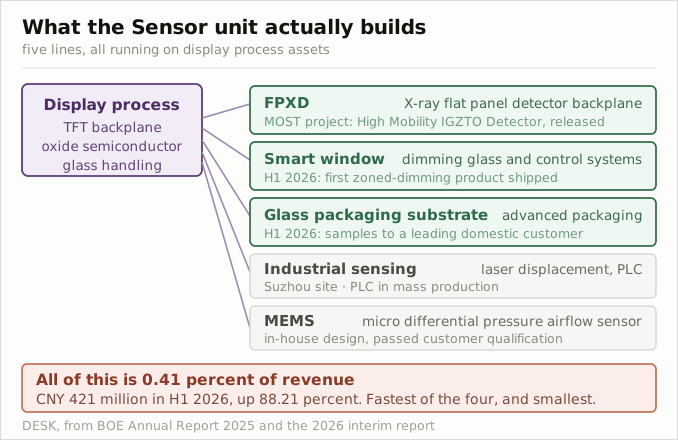
BOE makes the glass substrates used in semiconductor packaging in its sensor business unit. The four tracks it set out to earn money outside displays have climbed to 26% of revenue, but open the filings and 18 points of that are TVs and monitors. The only business that display processes actually crossed over into is sensors, and it is 0.41% of revenue. And in the first half of 2026, the core display business slipped into decline.
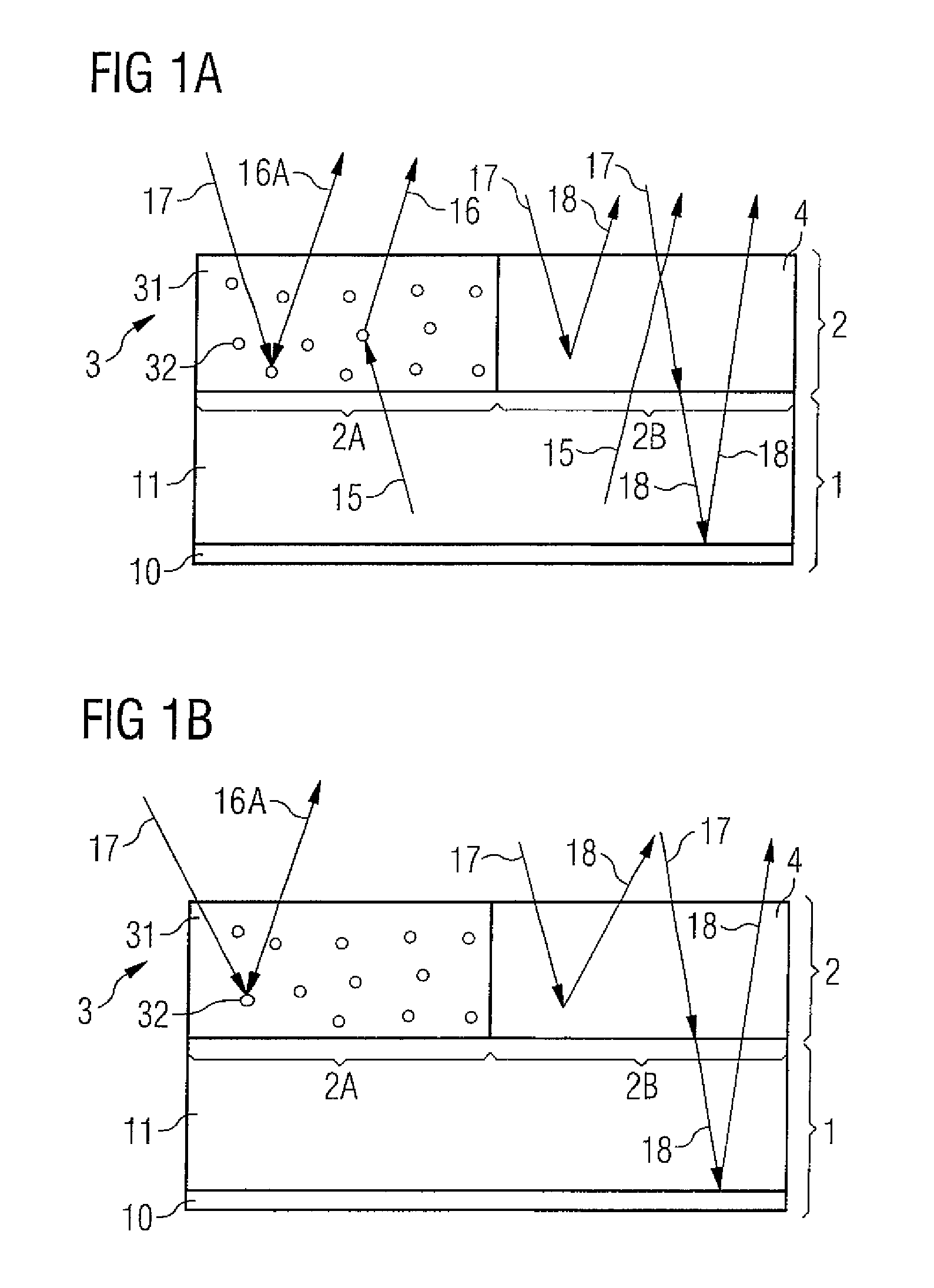
The two OLED patents behind the $191.4 million jury verdict against Samsung in November 2025 came not from displays but from lighting. They date from OSRAM's OLED lighting days, and on August 11, 2020 they passed to a patent assertion entity that changed its name the same day. After the US Patent Office's tribunal later cancelled a single claim and put half the damages in doubt, the two sides settled the suits on October 8.